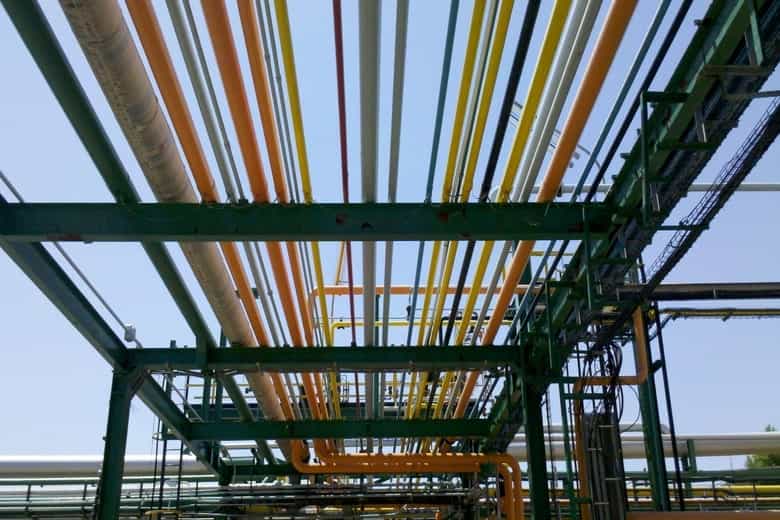
Flow
Our best flow articles
In this section we will find articles related to flow measurement in the process industry. Some describe techniques and others allow you to discover more advanced concepts. All the articles have been written with the idea of introducing and explaining concepts related to instrumentation in the process industry. Each article has a version prepared in pdf format for download and diffusion. If you have any questions or require further clarification, do not hesitate to contact us
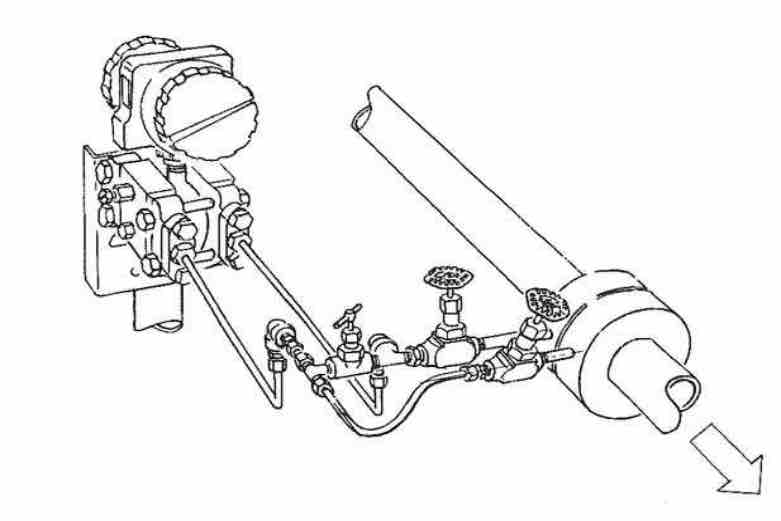
Orifice Plate Installation Guidelines
This post is mainly a set of rules for the orifice plate installation like an orifice flow meter installation guidelines. In order that a flow instrument may accurately read flow, it’s necessary that the installation comply with certain rules.

Difference between Actual, Standard and Normal Flows
Gas density changes with pressure and temperature, so the use of standardized volumes when referring to quantities of gas is mandatory. Standardized volumes are commonly used in different types of industries which uses gas as raw material. The volum of gas ...
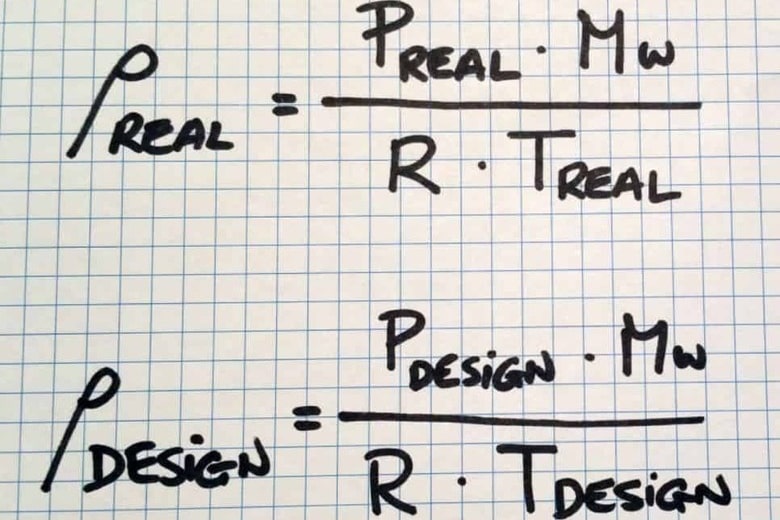
Pressure and Temperature Flow Compensation Formula
In steam or gas flow measurement, the density of the steam or gas changes as pressure and temperature change. This change in density can affect the accuracy of the measured flow rate if it is uncompensated.
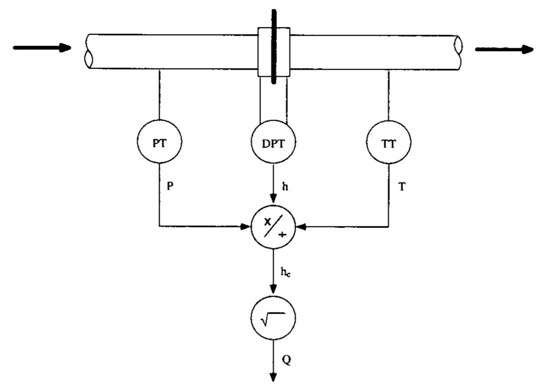
Why Orifice Plate Flow Readings Can Be Wrong in Gas Service
A differential pressure signal is not enough to calculate gas flow accurately. Learn how density changes caused by pressure, temperature, and molecular weight can distort indicated flow and how the correction equations are derived.